2026 Kozmetik Ambalaj Trendleri: Sürdürülebilirlik ve Uyumluluğa Doğru Dönüşümde Plastik ve Cam Öncü
2026 yılında küresel kozmetik ambalaj sektörü, sıkılaşan çevre düzenlemeleri, sürdürülebilir ürünlere yönelik değişen tüketici tercihleri ve teknolojik yenilikler tarafından yönlendirilen kritik bir dönüşüm geçiriyor. İki temel malzeme olan plastik ve cam, bu değişimin ön saflarında yer alıyor ve her ikisi de uyumluluk ve pazar çekiciliği taleplerini karşılamak için evrimleşiyor. Markalar döngüselliği, güvenliği ve marka farklılaşmasını önceliklendirdikçe, plastik ve cam ambalajlar artık birbirini dışlayan seçenekler değil, uygun fiyatlı cilt bakımından lüks kozmetiklere kadar çeşitli ürün ihtiyaçlarına göre uyarlanmış tamamlayıcı çözümlerdir. Bu haber, 2026'da bu iki kritik ambalaj malzemesini şekillendiren temel trendleri, düzenleyici etkileri ve pazar dinamiklerini inceliyor.
Mordor Intelligence™'a göre, küresel kozmetik ambalaj pazarının 2026'da 31,68 milyar dolara ulaşması ve 2031'e kadar %4,95 bileşik yıllık büyüme oranı (CAGR) ile büyümesi bekleniyor. Plastik, 2025'te pazar payının %64,02'sini oluşturan baskın malzeme olmaya devam ederken, cam, yüksek kaliteli segmentlerde, üstün çekiciliği ve çevresel avantajları sayesinde ivme kazanıyor. Ancak, her iki malzeme de sürdürülebilirlik ve düzenleyici incelemelerin yeni bir çağına uyum sağlamak için benzeri görülmemiş bir baskıyla karşı karşıya; dünya çapındaki hükümetler atıkları ve karbon emisyonlarını azaltmak için daha sıkı kurallar uyguluyor.

Plastik Kozmetik Ambalaj: Uyumluluktan Sürdürülebilirlik İnovasyonuna
Plastik, uygun fiyatlılığı, çok yönlülüğü ve hafif tasarımı sayesinde 2026'da kozmetik endüstrisinin ambalaj iş gücü olmaya devam ediyor; bu, e-ticaret ve küresel nakliye için kritik öneme sahip. Ancak kolaylık artık yeterli değil: sürdürülebilirlik ve uyumluluk artık pazarlık konusu değil. Şubat 2025'ten beri yürürlükte olan AB'nin Ambalaj ve Ambalaj Atıkları Yönetmeliği (PPWR), net bir yetki veriyor: 2030 yılına kadar tüm plastik ambalajlar %100 geri dönüştürülebilir olmalı ve en az %30 geri dönüştürülmüş içerik içermelidir, bu da markaları ve üreticileri malzeme stratejilerini yeniden düşünmeye zorluyor.
Tüketici Sonrası Geri Dönüştürülmüş (PCR) plastik bu değişime öncülük ediyor. Bir zamanlar kalite sorunları nedeniyle niş olan PCR plastikleri (PCR PET, PP ve ABS dahil), teknolojik gelişmeler sayesinde artık şeffaflık, dayanıklılık ve bariyer performansı açısından bakir plastiklerle eşdeğerdir. 2026'da daha fazla marka, 'geri dönüştürülmüş + tek malzeme' modelini benimsiyor: tek plastik tasarımlar (örneğin, PE veya PP), ayrılması zor çok malzemeli ambalaj sorununu çözerek geri dönüşüm oranlarını önemli ölçüde artırıyor.
Biyo-bazlı plastikler de ilgi görüyor, PLA (polilaktik asit) ve PHA (polihidroksialkanoatlar) artık seri üretimde. Mısır nişastası ve şeker kamışı gibi yenilenebilir kaynaklardan elde edilen bu biyolojik olarak parçalanabilen alternatifler, plastik atıklarla ilgili tüketici endişelerini gideriyor. Büyük üreticiler 2026'da üretimi artırıyor, bu da biyo-bazlı plastikleri orta sınıf markalar için daha uygun maliyetli hale getiriyor.
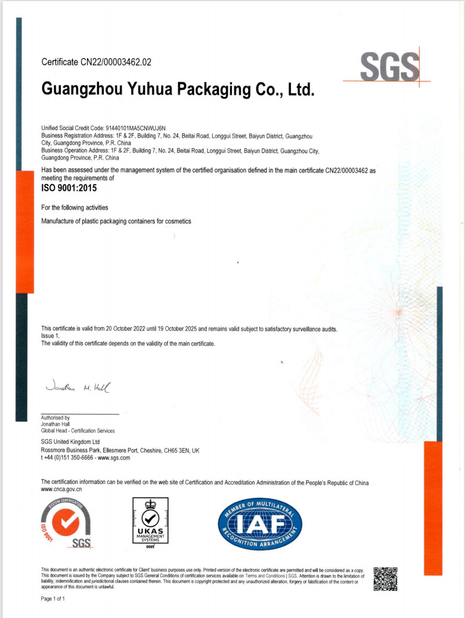
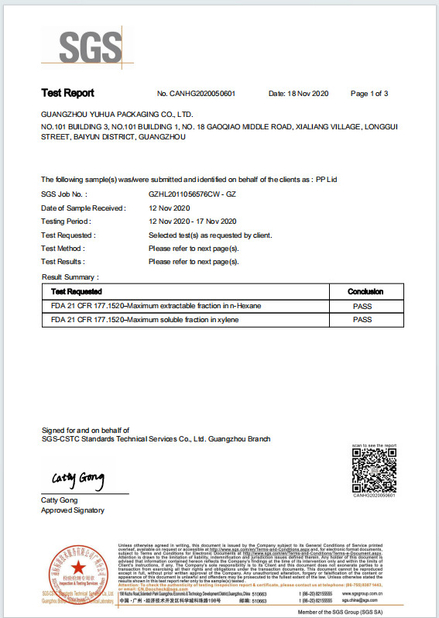
Uyumluluk, sürdürülebilirliğin ötesine geçerek güvenliği ve etiketlemeyi de kapsıyor. Ocak 2026'da ABD FDA, güvenliği artırmak ve kontaminasyonu önlemek için kozmetik ambalajlar için kurcalamaya dayanıklı özellikler (güvenli kapaklar, kırılabilir kapaklar) zorunlu kılan güncellenmiş bir kılavuz yayınladı. Çin'de NMPA, yerel markaların %67'sinden fazlası tarafından kullanılan QR kod izlenebilirliği dahil olmak üzere katı etiketleme kurallarını uyguluyor. Etiket uyumluluğu ve salım testleri de zararlı maddelerin ürünlere sızmadığından emin olmak için küresel olarak zorunludur.
Doldurulabilir plastik ambalajlar başka bir 2026 trendi. Markalar, atıkları azaltmak ve müşteri sadakatini oluşturmak için doldurulabilir cilt bakım tüpleri ve saç bakım şişeleri piyasaya sürüyor; bu da tüketicilere maliyet tasarrufu sağlıyor. Hafifletme de bir önceliktir: üreticiler dayanıklılıktan ödün vermeden daha az plastik kullanmak için tasarımları optimize ediyor, karbon ayak izlerini ve nakliye maliyetlerini düşürüyor.
Plastik ambalaj pazarı da bir çalkantı yaşıyor. Asya-Pasifik ve bölgesel yerel işletmeler, PCR teknolojisi ve esnek tedarik zincirleriyle orta-üst segmentlere giriyor. Rekabet inovasyonu körüklüyor; sigara paketi düzeyinde şeffaf film 3D ambalaj gibi yeni teknolojiler, üstün estetiği sürdürülebilirlikle harmanlayarak üst düzey plastik ambalajları yeniden tanımlıyor.
Cam Kozmetik Ambalaj: Üst Düzeyleşme ve Döngüsellik Ön Plana Çıkıyor
Cam ambalaj, özellikle 2026'da yüksek kaliteli kozmetik segmentinde, üstün dokusu, şeffaflığı ve sürdürülebilirlik nitelikleri lüks ve çevre bilincine yönelik tüketici talebiyle uyumlu olarak bir yeniden canlanma yaşıyor. Plastikten farklı olarak cam, kalite kaybı olmaksızın sonsuz şekilde geri dönüştürülebilir, bu da onu sektörün döngüselliğe doğru kaymasında kilit bir oyuncu haline getiriyor. Önde gelen markalar, küresel çift karbon hedeflerini destekleyerek ve çevresel markalarını geliştirerek, geri dönüştürülmüş cam kullanım oranlarını artırmaya giderek daha fazla bağlılık gösteriyor.
Geri dönüştürülmüş cam uygulaması 2026'da hızlandı, üreticiler 'geri dönüşüm-yeniden üretim-yeniden kullanım' tam döngü kapalı döngüsünü gerçekleştirdi. Bu, sadece depolama atıklarını azaltmakla kalmıyor, aynı zamanda enerji tüketimini de düşürüyor; geri dönüştürülmüş cam üretimi, bakir cam üretimine göre %30 daha az enerji gerektiriyor. Özellikle yüksek kaliteli güzellik markaları, sürdürülebilirlik taahhütlerini tüketicilere iletmenin bir yolu olarak, fondöten, esans ve parfüm şişeleri için geri dönüştürülmüş camı benimsiyor.
Teknolojik optimizasyon, cam ambalajın en büyük sorunlarından birini, yani kırılganlığı ele aldı. 2026'da hafif cam tasarımları, nakliye sırasında kırılma oranlarını azaltarak e-ticaret lojistiği taleplerine uyum sağlayarak ana akım haline geldi. Çizilmez ve yüksek şeffaflık teknolojileri de tanıtıldı, malzemenin raf çekiciliğini ve dayanıklılığını artırırken, üstün görünümünü ve hissini koruyor.
Tasarım inovasyonu, 2026'da cam ambalaj büyümesinin bir diğer önemli itici gücüdür. CBE 2026 gibi etkinliklerde, cam ambalaj trendleri buzlu ve sırlı el sanatlarına odaklandı, güzellik ürünlerinin ritüel hissini artırdı ve markaların mağaza raflarında öne çıkmasına yardımcı oldu. Kültürel unsurları entegre eden orijinal tasarımlar (örneğin, Guochao (Çin ulusal trendi) motifleri) da popülerlik kazanıyor, markaların yerel tüketicilerle rezonans eden benzersiz, farklılaştırılmış ambalajlar oluşturmasına olanak tanıyor.
Doldurulabilir cam şişeler, üst düzey markaların sürdürülebilirlik değerlerini iletmeleri için temel taşı haline geldi. Bu tasarımlar, tüketicilerin cam kabı yeniden kullanmalarına, atıkları azaltmalarına ve marka sadakatini geliştirmelerine olanak tanır. Örneğin, lüks cilt bakım markaları, üstün estetiği pratiklikle dengeleyerek, geri dönüştürülebilir plastik veya alüminyum dolumlarla eşleştirilmiş doldurulabilir cam serum ve nemlendirici şişeleri piyasaya sürüyor.
Mevzuata uyum da 2026'da cam ambalaj pazarını şekillendiriyor. Endonezya'da yeni düzenlemeler, kozmetik cam ambalajların Helal sertifikasına uymasını gerektiriyor, bu da ihracat işletmelerini üretim süreçlerini ve malzemelerini önceden ayarlamaya zorluyor. Bu arada, ağır metal geçişi ve VOC emisyonlarına ilişkin küresel düzenlemeler, üreticileri cam ambalajlar için daha güvenli, daha çevre dostu sır ve kaplamalar kullanmaya itiyor.
Kozmetik Ambalajın Geleceği: Plastik ve Cam Birlikte Çalışıyor
2026'da kozmetik ambalaj sektörü, markaların her iki malzemenin de benzersiz güçlü yönlere ve uygulamalara sahip olduğunu kabul etmesiyle, 'plastik vs. cam' tartışmasının ötesine geçiyor. Plastik, uygun maliyetli ve çok yönlü olması sayesinde uygun fiyatlı, kitlesel pazar ürünleri için tercih edilen seçenek olmaya devam ederken, cam üstün çekicilik ve döngüsellik sunarak lüks segmentte hakimiyetini sürdürüyor. Temel eğilim entegrasyondur: markalar her iki malzemenin de en iyisini birleştiriyor; örneğin, sürdürülebilirlik, işlevsellik ve maliyeti dengelemek için plastik pompalar veya kapaklı cam şişeler kullanıyor.
İleriye bakıldığında, teknolojik yenilikler hem plastik hem de cam ambalajlarda ilerlemeyi sürdürecektir. Plastik için, PCR kalitesindeki gelişmeler ve biyo-bazlı malzemeler sürdürülebilir seçenekleri daha erişilebilir hale getirecek, akıllı ambalaj özellikleri ise (elektronik etiketler ve QR kodları gibi) uyumluluğu ve tüketici etkileşimini artıracaktır. Cam için, hafifletme ve kırılmaya karşı dayanıklılıktaki daha fazla iyileştirme, uygulamalarını üst düzey ürünlerin ötesine genişleterek, daha yaygın markalar için uygun bir seçenek haline getirecektir.
Düzenleyici baskı da değişimin kilit bir itici gücü olmaya devam edecek, dünya çapındaki hükümetler atık, geri dönüşüm ve güvenlik kurallarını sıkılaştıracaktır. PCR malzemelerini, tek malzeme tasarımlarını ve geri dönüştürülmüş camı benimseyerek bu düzenlemelere proaktif olarak uyum sağlayan markalar pazarda rekabet avantajı elde edecektir. Ek olarak, şeffaflık için tüketici talebi, markaları PCR içeriğinden geri dönüşüm talimatlarına kadar ambalaj sürdürülebilirlik çabalarını daha net iletmeye itecektir.
Kozmetik endüstrisi sürdürülebilirlik ve uyumluluğu önceliklendirmeye devam ettikçe, plastik ve cam ambalajlar bu dönüşümün kalbinde yer almaya devam edecektir. 2026'da bu malzemeler sadece ürünler için kaplar değil; markaların değerlerini iletmeleri, düzenleyici gereksinimleri karşılamaları ve çevreye duyarlı tüketicilerle bağlantı kurmaları için güçlü araçlardır. Kozmetik ambalajın geleceği döngüsel, yenilikçi ve kapsayıcıdır; plastik ve cam, daha sürdürülebilir ve tüketici odaklı bir endüstri yaratmak için birlikte çalışmaktadır.


 Mesajınız 20-3.000 karakter arasında olmalıdır!